

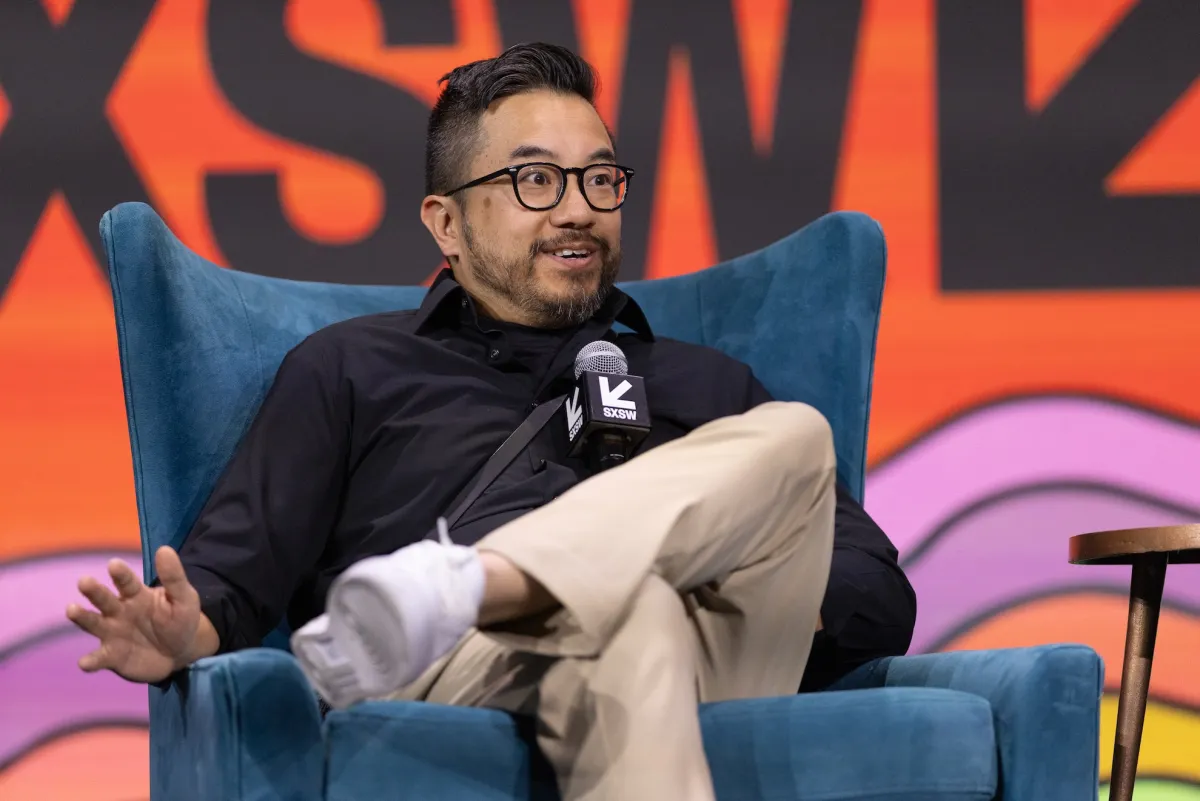
Y Combinator CEO Discusses Excitement for AI Development at SXSW
At the recent SXSW festival, Garry Tan, the CEO of Y Combinator, shared his enthusiasm for artificial intelligence, humorously admitting that he is suffering from what he calls “cyber psychosis.” His intense engagement with AI has drastically reduced his sleep to just four hours a night, a revelation shared during an onstage interview with fellow venture capitalist Bill Gurley.
Tan noted that this phenomenon seems widespread among CEOs in the tech sector. While he lightheartedly referenced his condition, the reality of AI-induced stress is recognized as a valid concern. He elaborated on his journey, contrasting it with a previous startup endeavor that required $10 million in venture capital and two years of hard work. “Once you try it, you’ll realize,” he exclaimed, likening his current venture with AI agents to a transformative experience that negates the need for stimulants used for keeping awake.
The Y Combinator leader shared that his excitement over AI helps him overcome fatigue, stating, “I don’t need modafinil with this revolution.” He described waking at 8 a.m. after only a few hours of sleep, feeling compelled to continue working on multiple projects simultaneously. His recent foray into the Claude Code—a framework designed for building AI applications—has incited a new level of creative energy.
On March 12, just days before the interview, Tan took a significant step by publicly releasing his Claude Code (CC) setup, dubbed “gstack,” on GitHub. Under an open-source license, gstack features six specialized skills designed to guide AI behavior across various roles, such as coding and reviewing processes. This initiative reflects Tan’s commitment to sharing his innovative approach with the broader tech community.
Since its release, gstack has gained considerable attention. His GitHub repository currently showcases 13 skills, and his social media activity has generated buzz, with tweets about ongoing enhancements to the setup. A notable use case involves leveraging Claude’s capabilities to evaluate startup ideas and assist with coding tasks, such as feature writing and bug reviews.
The initial reception for gstack was overwhelmingly positive. Tan’s tweet announcing the setup trended on platforms like Product Hunt and has garnered nearly 20,000 stars on GitHub, indicating high community interest. However, the excitement was met with skepticism, prompting some criticism following a tweet where Tan’s CTO friend remarked that gstack operates at “god mode,” discovering security flaws that typically go unnoticed.
This comment sparked a flurry of detracting responses from the tech community, questioning the validity of Tan’s claims. Critics characterized gstack as merely a compilation of prompts that experienced developers could craft themselves. Regardless of the backlash, experts have weighed in, with AI tools like ChatGPT and Gemini offering supportive opinions, labeling gstack as a sophisticated system that enhances coding accuracy rather than simplifies the programming process.
Tan responded to the mixed feedback by emphasizing the deep satisfaction he finds in coding with AI. He remarked on the experience of transforming fleeting ideas into actionable code with AI’s assistance. Despite the polarized opinions surrounding gstack, it stands as a testament to the current enthusiasm for AI developments within the startup ecosystem.