Close Menu
Fintechbits
  • News
  • AI
  • Acquisitions
  • Trends
  • Insights
  • Rumors
  • Startups
  • finjobsly

Subscribe to Updates

Get the latest news from Fintechbits.

Trending Now

Reasons Wall Street Remains Skeptical of Nvidia’s Recent Conference

March 22, 2026

Publisher Withdraws Horror Novel ‘Shy Girl’ Due to AI Concerns

March 22, 2026

Marking Two Decades Since the Inception of the First Tweet

March 21, 2026

Energy Audit Financing Is Quietly Reshaping How Australians Borrow

March 21, 2026
Facebook X (Twitter) Instagram
Trending
  • Reasons Wall Street Remains Skeptical of Nvidia’s Recent Conference
  • Publisher Withdraws Horror Novel ‘Shy Girl’ Due to AI Concerns
  • Marking Two Decades Since the Inception of the First Tweet
  • Energy Audit Financing Is Quietly Reshaping How Australians Borrow
  • Sunstate Bank Expands Online Banking Services by Introducing InvestiFi for Investment Opportunities
  • Delve Faces Allegations of Misleading Customers Through False Compliance Claims
  • Renovation Financing Is Split Between Banks and Credit Cards, With Nothing in Between
  • Allure Security Secures $17 Million in Funding for AI Disinformation Defense Solutions
Facebook X (Twitter) Instagram Pinterest Vimeo
Fintechbits
  • News

    Sunstate Bank Expands Online Banking Services by Introducing InvestiFi for Investment Opportunities

    March 21, 2026

    Allure Security Secures $17 Million in Funding for AI Disinformation Defense Solutions

    March 21, 2026

    Aveni Establishes Industry Council to Address AI Agent Oversight Gap

    March 21, 2026

    M-Files Introduces Native Search Functionality for Microsoft 365

    March 21, 2026

    Understanding the FCA’s Requirements for Explainable Redress Decisions

    March 21, 2026
  • AI

    The Future of Burundi’s Fintech Ecosystem in 2026: An Analysis of the Impacts of Economic Challenges

    March 21, 2026

    Weaker Dollar and Diversification Enhance Appeal of Emerging Markets for Global Investors, According to Finnfund

    March 18, 2026

    Anna Money Achieves HMRC Approval for Making Tax Digital and Introduces Complimentary Auto Accountant Tool

    March 18, 2026

    DRC Fintech: 5 Essential Developments Transforming Digital Finance in 2026

    March 18, 2026

    Africa’s Fintech Future Highlights the Opening of IFF 2026 in Kigali

    March 17, 2026
  • Acquisitions

    Brazil Maintains Leadership in LatAm FinTech Market in Q2 Despite 77% Year-over-Year Decline in Deal Activity

    March 21, 2026

    UK FinTech Deal Activity Declines by 61% Amid Five-Year Low in Investment

    March 20, 2026

    California Establishes Itself as the Leading US FinTech Hub with Over One-Third of Q1 2025 Deals

    March 19, 2026

    European FinTech Transactions Exceeding $100M Rise 2.6 Times Quarter-over-Quarter as Funding Recovers in Q1 2025

    March 18, 2026

    Californian Companies Lead US FinTech Transactions in Q2 with a 19% Year-Over-Year Growth in Deal Activity

    March 17, 2026
  • Trends

    Client Churn Data Is a Better Default Predictor Than a Balance Sheet

    March 20, 2026

    European FinTech 2025 Is Back and Means Business

    March 16, 2026

    Subscription Payment Fatigue Is Coming for Children’s Services

    March 16, 2026

    Green Fintech: 5 Proven Reasons It Goes Beyond a Compliance Checkbox

    March 16, 2026

    Claude overtakes ChatGPT as AI trust debate intensifies

    March 16, 2026
  • Insights

    Energy Audit Financing Is Quietly Reshaping How Australians Borrow

    March 21, 2026

    Renovation Financing Is Split Between Banks and Credit Cards, With Nothing in Between

    March 21, 2026

    Future of Payments 2025: Stablecoins, Virtual Cards, and the Race to Agentic Finance

    March 19, 2026

    Wedding Deposit Economy: 5 Shocking Gaps Every Vendor Must Know

    March 19, 2026

    AI in FinTech 2025: The Hype Is Real, But the Big Money Is Not Biting Yet

    March 18, 2026
  • Rumors

    Gilead Snaps Up Arcellx in $7.8B Most cancers Drug Deal

    March 14, 2026

    Tilly’s Inventory Pops After This autumn Earnings Shock

    March 14, 2026

    Elliott and Jana Take Recent Actions Alongside Other Speculations

    February 22, 2026

    Hank Payments (TSX) Rises to CAD 0.26 on February 18, 2026: Catalyst Analysis

    February 19, 2026

    Abivax CEO refers to Eli Lilly acquisition speculation as a diversion.

    February 8, 2026
  • Startups

    Reasons Wall Street Remains Skeptical of Nvidia’s Recent Conference

    March 22, 2026

    Publisher Withdraws Horror Novel ‘Shy Girl’ Due to AI Concerns

    March 22, 2026

    Marking Two Decades Since the Inception of the First Tweet

    March 21, 2026

    Delve Faces Allegations of Misleading Customers Through False Compliance Claims

    March 21, 2026

    An Overview of Fusion Power Mechanisms and Emerging Startups in the Field

    March 21, 2026
  • finjobsly
Fintechbits
Home » AI helped the federal government detect $1 billion in fraud in one year. And it’s only just begun
AI in Finance

AI helped the federal government detect $1 billion in fraud in one year. And it’s only just begun

4 Mins Read
Facebook Twitter Pinterest Telegram LinkedIn Tumblr Email Reddit
1b6febd413e80281c7e94fa136d4fcda.jpeg
Share
Facebook Twitter LinkedIn Pinterest Email Copy Link

The federal government’s bet to use artificial intelligence to combat financial crime appears to be paying off.

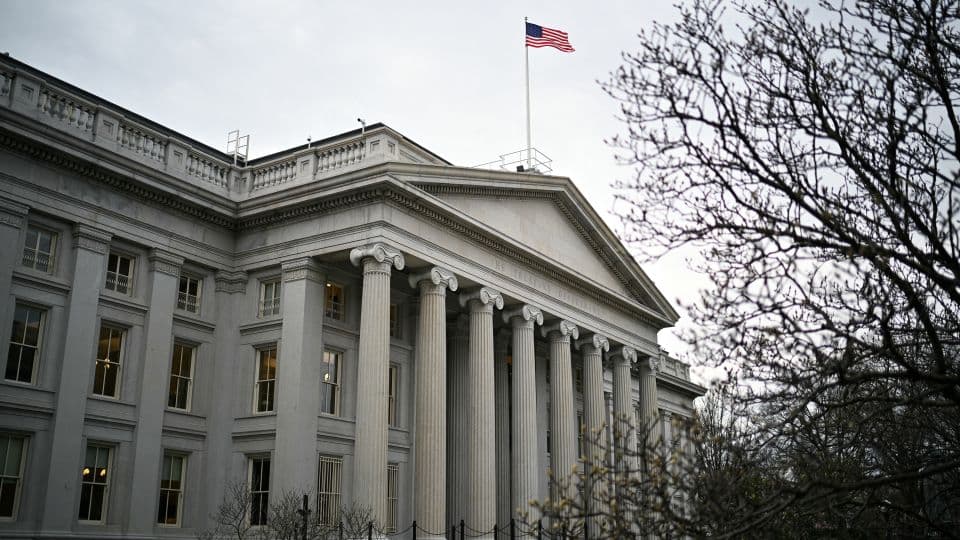
Machine learning AI helped the U.S. Treasury Department sift through massive amounts of data and recover $1 billion in check fraud in fiscal year 2024 alone, according to new estimates shared first with CNN. That’s nearly triple what the Treasury took in the previous financial year.

“It’s really been transformative,” Renata Miskell, a senior Treasury official, told CNN in a telephone interview.

“Leveraging data has improved our performance in fraud detection and prevention,” Miskell said.

The Treasury Department credited AI with helping officials prevent and recover more than $4 billion in total fraud in fiscal year 2024, a six-fold increase from the previous year. previous year.

American officials quietly started using AI to detect financial crime in late 2022, building on what many banks and credit card companies are already doing to stop the bad guys.

The aim is to protect taxpayers’ money against fraud, which increased during the Covid-19 pandemic while the federal government hastened to provide emergency aid to consumers and businesses.

Certainly, the Treasury does not use generative AI, the kind that has captivated users of OpenAI’s ChatGPT and Google’s Gemini by generating images, developing song lyrics and answering complex questions (although this is sometimes still necessary). struggles with simple queries).

Instead, fraud detection efforts rely on machine learning, the subset of AI that excels at analyzing large amounts of data and making decisions and predictions based on what she learned.

AI can be very useful in the fight against financial crime by analyzing almost infinite streams of data and detecting subtle patterns – all in a fraction of the time it would take a human to do so. Experts say that once sophisticated AI models are trained, they can detect suspicious transactions in just milliseconds.

“Fraudsters are really good at hiding. They’re trying to secretly game the system,” Miskell said. “AI and data mining help us find these hidden patterns and anomalies and prevent them. »

This is particularly crucial for the Treasury, which is among the largest payers on the planet, if not the largest.

Each year, Treasury makes about 1.4 billion payments valued at nearly $7 trillion to 100 million people. It’s responsible for sending everything from Social Security and Medicaid payments to federal workers’ paychecks, tax refunds and stimulus checks.

This essential role makes the Treasury a prime target for fraudsters seeking to steal from taxpayers.

Last year, the The Internal Revenue Service announced that it has deployed AI detect tax fraud by examining large and complex returns from hedge funds, law firms and others.

Online payment fraud is expected to exceed $362 billion by 2028, according to estimates from Juniper Research.

And part of this fraud is reinforced by AI itself.

In an infamous case earlier this year, Hong Kong police said a finance employee was tricked by deepfake video into paying $25 million to fraudsters.

U.S. officials have expressed concern that AI is introducing new dangers into the financial system. Treasury Secretary Janet Yellen in June the bankers have been warned that AI in finance presents “significant risks”.

Top regulators, led by Yellen, classified AI late last year as a “emerging vulnerability” to the financial system.

Miskell emphasized that even though AI systems flag suspicious transactions, “a human is always in the know” and federal agencies make the final decision on whether something constitutes fraud.

Treasury’s use of AI to combat financial crime is only just beginning.

Miskell said Treasury was studying how to adopt the fraud detection methods that major banks and credit card companies are deploying, declining to go into detail to avoid “alerting bad actors.”

A Treasury spokesperson told CNN the department is accelerating its work to improve fraud detection tools available to federal and state-administered programs. Authorities are testing new data sources to better detect fraud and questionable payments. team up with state agencies to combat unemployment insurance fraud.

For more CNN news and newsletters, create an account at CNN.com

Share. Facebook Twitter Pinterest LinkedIn Tumblr Email

Related Posts

The Future of Burundi’s Fintech Ecosystem in 2026: An Analysis of the Impacts of Economic Challenges

March 21, 2026

Weaker Dollar and Diversification Enhance Appeal of Emerging Markets for Global Investors, According to Finnfund

March 18, 2026

Anna Money Achieves HMRC Approval for Making Tax Digital and Introduces Complimentary Auto Accountant Tool

March 18, 2026
Leave A Reply Cancel Reply

Latest news

Reasons Wall Street Remains Skeptical of Nvidia’s Recent Conference

March 22, 2026

Publisher Withdraws Horror Novel ‘Shy Girl’ Due to AI Concerns

March 22, 2026

Marking Two Decades Since the Inception of the First Tweet

March 21, 2026
News
  • AI in Finance (2,167)
  • Breaking News (245)
  • Corporate Acquisitions (88)
  • Industry Trends (281)
  • Jobs Market News (338)
  • Market Insights (313)
  • Market Rumors (308)
  • Regulatory Updates (217)
  • Startup News (1,396)
  • Technology Innovations (237)
  • uncategorized (12)
  • X Feed (1)
About US
About US

FintechBits is a blog delivering the latest news and insights in fintech, finance, and technology. We cover breaking news, market trends, innovations, and expert opinions to keep you informed about the future of finance

Facebook X (Twitter) Instagram Pinterest Reddit TikTok
News
  • AI in Finance (2,167)
  • Breaking News (245)
  • Corporate Acquisitions (88)
  • Industry Trends (281)
  • Jobs Market News (338)
  • Market Insights (313)
  • Market Rumors (308)
  • Regulatory Updates (217)
  • Startup News (1,396)
  • Technology Innovations (237)
  • uncategorized (12)
  • X Feed (1)
Happening Now

November 28, 2024

“ Intentionally collaborative ”: how the Rotman school of U of T leads Innovation Fintech

February 6, 2025

‘1957 Ventures’ to Drive FinTech Innovation in Saudi Arabia

September 10, 2024
  • About FintechBits
  • Advertise With us
  • Contact us
  • Disclaimer
  • Privacy Policy
  • Terms and services
  • BUY OUR EBOOK GUIDE
© 2026 Designed by Fintechbits

Type above and press Enter to search. Press Esc to cancel.