AI’s Impact on Employment Remains Limited, According to Anthropic Research
Anthropic’s latest research indicates that while artificial intelligence is rapidly transforming work processes, it has not yet led to significant job losses. Peter McCrory, the head of economics at Anthropic, describes the current labor market as “still healthy,” but early trends suggest that the impacts of AI may be uneven, particularly for younger individuals entering the workforce.
Current Labor Market Stability Amid Rising AI Adoption
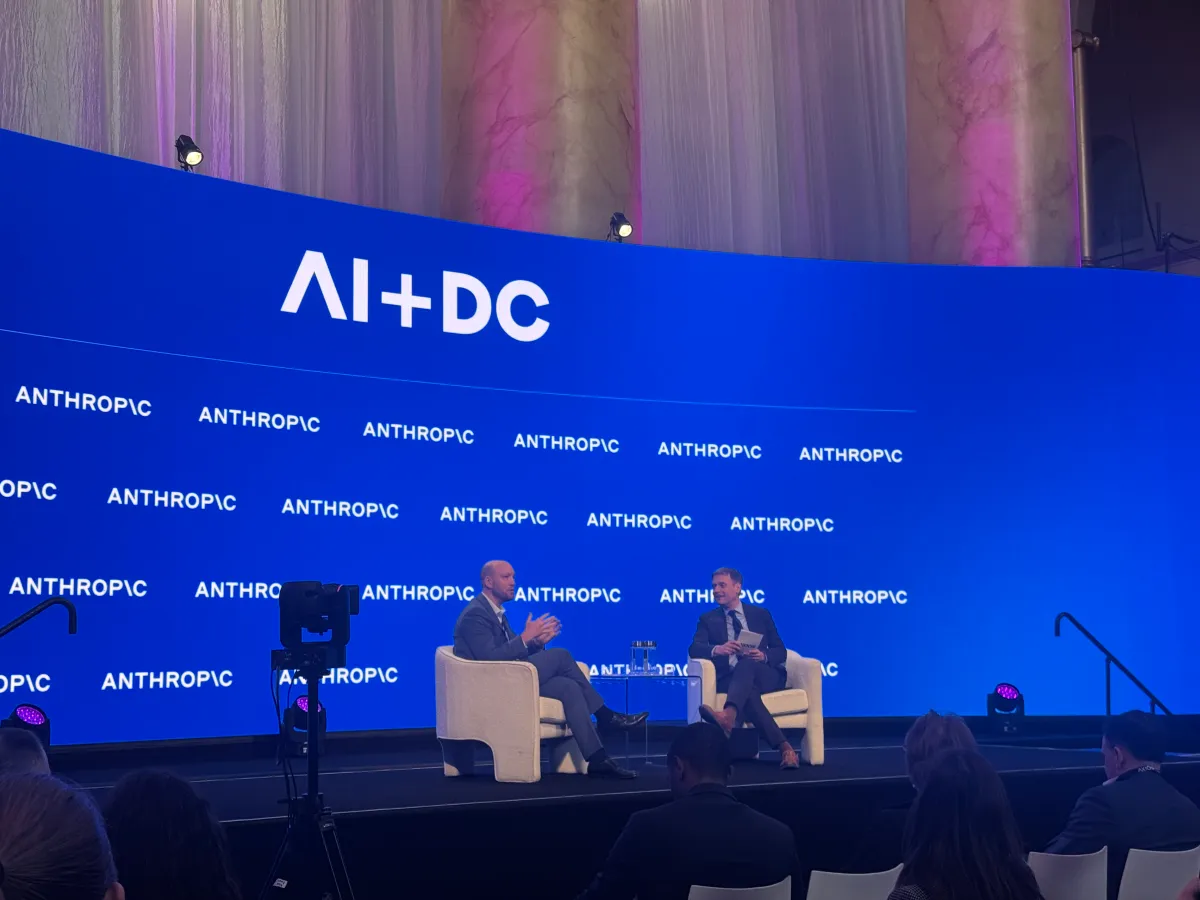
In an interview at the Axios AI Summit in Washington, D.C., McCrory emphasized that the company’s latest economic impact report shows little evidence of widespread job displacement at this stage. He noted, “There’s no material difference in unemployment rates” among workers who utilize AI tools like Claude for essential job functions—such as technical writing and data entry—and those in roles requiring physical interaction and manual skills.
Potential Future Displacement as AI Technology Evolves
However, as AI technology continues to spread across various sectors, the landscape could change rapidly. Dario Amodei, CEO of Anthropic, has suggested that AI could potentially eliminate half of all entry-level white-collar jobs, with unemployment rates possibly reaching 20% within the next five years. This looming potential raises questions about the future of jobs in an AI-dominated economy.
Monitoring AI’s Economic Impact
McCrory highlighted the importance of establishing a monitoring framework to anticipate and respond to displacement effects as they develop. “Displacement effects could materialize very quickly, and understanding that before it materializes is crucial,” he stated, advocating for proactive approaches to policy development.
Understanding the AI Adoption Landscape
Staying ahead of AI trends is vital for businesses and policymakers. McCrory detailed how AI models like Claude can perform a broad range of tasks, although most users are currently only scratching the surface of these capabilities. Identifying roles where AI excels and examining how these tasks are currently being automated may reveal where job displacement may occur.
Skills Gap Emerges Among AI Users
Anthropic’s fifth economic impact report, issued recently, further discovered that even in sectors not yet experiencing significant job disruptions, a skills gap is surfacing between early adopters of AI and those who are new to the technology. Early users are deriving much more value from AI tools, applying them to work-related tasks instead of casual functions and utilizing them in more advanced ways, such as collaborating for iteration and feedback.
The Geographic Disparity in AI Utilization
McCrory’s insights suggest that AI is becoming a technology that increasingly rewards those who are familiar with its use. This proficiency is not evenly distributed, as the report indicates that “Claude is used more intensely in high-income countries.” In the U.S., the utilization is concentrated among knowledge workers and specific specialized tasks, raising concerns that AI adoption may inadvertently favor wealthier demographics, further widening existing inequalities.