

Meta Unveils Muse Spark as a Milestone in AI Development
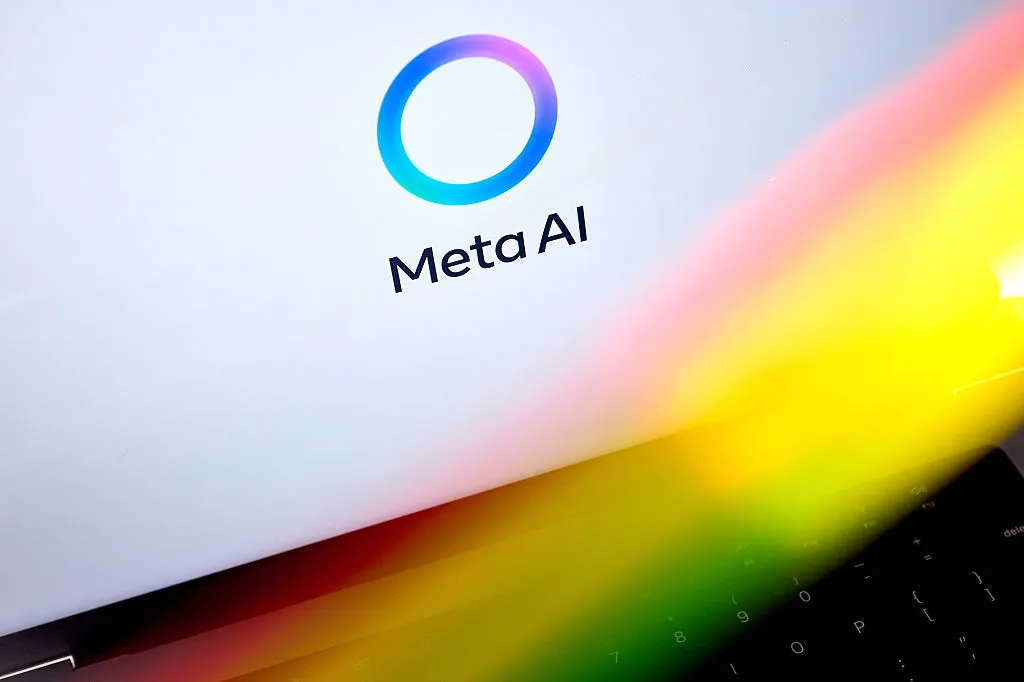
On Wednesday, Meta announced the launch of Muse Spark, an AI model that signifies its initial stride toward revitalizing its AI initiatives. This development aims to elevate the company’s position in a competitive landscape dominated by industry leaders like OpenAI and Anthropic.
Leadership and Investment in AI Innovation
Muse Spark is the first product emerging from Meta Superintelligence Labs, established last year after CEO Mark Zuckerberg expressed dissatisfaction with the progress of Meta’s previous AI projects, particularly the Llama models. In a bid to accelerate advancement, Meta appointed Alexandr Wang, co-founder and former CEO of Scale AI, to lead this new division. The company also made a significant investment of $14.3 billion for a 49% stake in the data labeling company to enhance its capabilities.
Can Meta Compete with Established AI Players?
The launch of Muse Spark places pressure on Zuckerberg to ensure that his restructured AI team can attract users and gain market traction. Available both on the web and through the Meta AI app, Muse Spark aims to evolve continually. The company has plans to introduce a “Contemplating” mode that allows the model to tackle more intricate problems, utilizing multiple AI agents simultaneously to generate quicker results.
Innovative Problem-Solving Technology
Meta’s approach involves scaling the number of parallel agents that collaborate on complex issues, promising enhanced reasoning without significantly increasing latency. This method aims to elevate the model’s performance by enabling faster, high-quality results.
Market Position and Competitive Strategy
While many competitors restrict access to advanced AI models through paywalls, it remains unclear whether Meta will adopt a similar strategy. Nonetheless, the company has embraced a current industry trend by indicating that Muse Spark could assist users with health-related inquiries—an area where many rivals are also focusing their efforts.
Privacy Implications in AI Utilization
Meta’s venture into health-related functionalities, alongside the basic requirement for users to log in with existing Meta accounts, raises potential privacy issues. While Meta does not explicitly state that data from Facebook or Instagram accounts will be used, the likelihood remains. The company generally relies on public user data for training its models and has marketed Muse Spark as a personalized superintelligence tool.
Future Prospects in AI Development
In addition to its investment in Scale AI and the hiring of Wang, Meta has also brought on board researchers from notable firms such as OpenAI, Anthropic, and Google. As Zuckerberg hinted in a social media post, the company intends to release increasingly sophisticated models designed to push the boundaries of intelligence and functionality. Upcoming versions will not only respond to user queries but also serve as intelligent agents capable of executing tasks on behalf of users.