

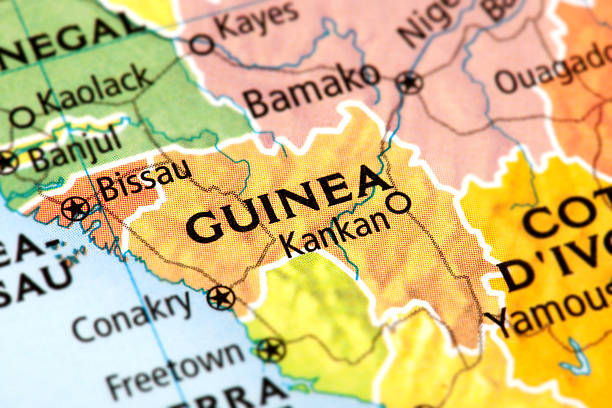
Guinea’s Fintech Landscape: A Gradual Evolution Towards Inclusion
Guinea is undergoing a transformative shift in its fintech ecosystem, characterized by foundational changes rather than rapid disruptions. The convergence of improved digital infrastructure, regulatory reforms, and economic diversification is placing fintech at the forefront of the country’s long-term development strategy.
With a population of around 14 million and a GDP per capita of approximately $1,700, Guinea’s economy is heavily dependent on natural resources like bauxite, gold, and iron ore. However, as the government sets its sights on diversifying beyond these extractive sectors, digital finance is emerging as a vital component of this strategic realignment.
Digital Finance: Catalyzing Economic Development
Guinea’s digital ambitions align closely with national economic development frameworks, notably the Simandou 2040 strategy. This initiative aims to allocate mining revenues towards building infrastructure, enhancing human capital, and fostering economic diversification.
The World Bank is actively supporting digital economy reforms that encompass critical areas such as digital governance, cybersecurity, and financial services. Preliminary steps toward establishing new payment systems regulations, coupled with fintech diagnostics, suggest a more organized approach to developing the digital finance sector.
This integration of digital transformation with economic policy marks a significant shift. It signifies a move away from sporadic innovations toward a coordinated and state-backed fintech ecosystem.
Despite its potential, Guinea’s financial services sector is underdeveloped, characterized by low banking penetration rates and a strong preference for cash transactions. A substantial portion of liquidity exists outside the formal financial system, restricting access to traditional banking services.
The regulatory landscape is overseen by the Central Bank of the Republic of Guinea, which has begun to modernize the financial system actively. While banks such as Ecobank and Orabank are incrementally enhancing their digital offerings, including mobile banking and electronic payments, the rate of digital adoption lags behind many regional counterparts.
Modern Payment Solutions: A Leap Forward
The challenges presented by the existing financial infrastructure also offer avenues for innovation. The lack of established systems positions Guinea to leapfrog into mobile-first and interoperable payment solutions.
Leading this charge is the Central Bank, which is focused on modernizing payment frameworks, bolstering regulatory environments, and promoting financial inclusion efforts. A noteworthy advancement in Guinea’s fintech trajectory is the introduction of a national instant payment system (SPI) launched last year. This interoperable system facilitates real-time, 24/7 transactions among banks, microfinance institutions, and mobile money providers, significantly reducing the dependency on cash.
The SPI aligns Guinea with a broader trend across Africa, where transaction volumes via instant payment platforms are rapidly nearing $2 trillion annually. This system isn’t merely an upgrade in payment capabilities; it’s also foundational to building a robust fintech infrastructure for the future.
Addressing Financial Inclusion through Innovation
Financial inclusion remains a critical hurdle for Guinea, with much of the populace engaged in the informal economy and lacking access to formal banking services. Barriers such as low income, limited financial literacy, and the absence of reliable digital identification impede progress. The complexities inherent in know-your-customer (KYC) processes further exacerbate these challenges.
However, these obstacles also present opportunities for growth. Innovations such as mobile money, agent networks, and digital wallets stand to extend financial services to those historically excluded. The push for interoperable payment systems is particularly impactful, as it lowers transaction costs and increases access across the financial landscape.
Currently, Guinea’s fintech ecosystem is still in its infancy, with an estimated 15 to 30 fintech firms primarily focused on payments, remittances, and basic financial services. One notable player in this space is YMO.
Supported by a blend of local startups, telecom operators, and international development partners, Guinea’s fintech scene is gradually gaining momentum. Events such as Guinea Fintech Week 2025 reflect a growing interest in digital finance and innovation, as highlighted by the Africa Fintech Network (AFN).
Although still in its initial stages, Guinea’s fintech landscape is becoming more structured with enhanced regulatory engagement and improved infrastructure. The country faces three essential success factors: infrastructure, trust, and effective execution. Building digital connectivity, reinforcing regulatory frameworks, and elevating financial literacy will be crucial to driving wider acceptance of digital finance while establishing trust in a market still reliant on cash.
Guinea’s emerging fintech ecosystem may not yet rival established hubs, but the groundwork for a more inclusive financial system is being laid, paving the way for future growth and innovation.