

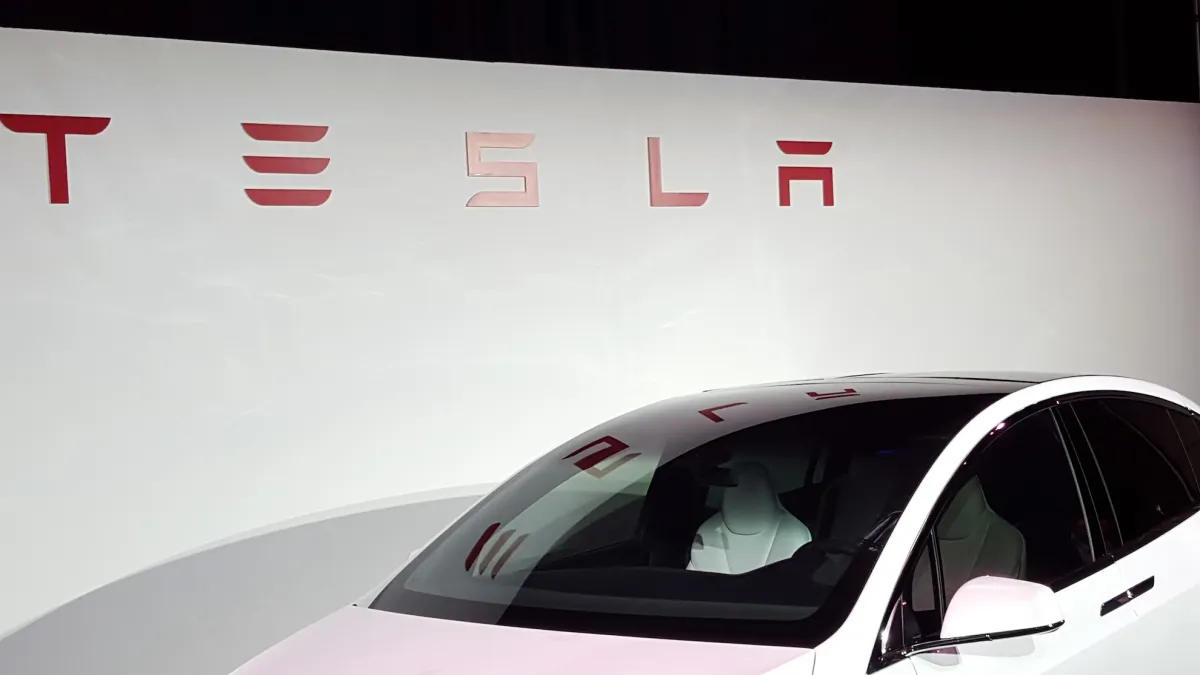
End of Production for Tesla’s Model S and Model X
After weeks of speculation, the final chapter for Tesla’s Model S and Model X is approaching. Tesla CEO Elon Musk recently announced via a post on X that custom orders for both models have concluded, with only a few hundred units remaining in inventory. This decision marks the end of an era for these flagship vehicles.
Declining Sales and a Shift in Focus
Sales figures illustrate a clear trend: the Model S and Model X have seen a steady decline in demand over the years, largely overshadowed by Tesla’s more affordable offerings, the Model 3 and Model Y. Tesla merges sales data for the Model S and Model X under the “other models” category, which also now includes the much-anticipated Cybertruck. The peak for S and X sales occurred in 2017, with 101,312 vehicles sold. By 2025, that number had dropped to 50,850 units, accounting for a mere fraction of the 1.63 million vehicles delivered globally last year.
Future Plans Beyond Traditional Vehicles
In response to the waning sales of the Model X and Model S, Musk is not opting for a direct replacement with another conventional electric vehicle. Initial plans for a more affordable EV, projected at $25,000, have been abandoned. Instead, Musk is banking on the ambitious development of the Optimus robot, which has yet to reach the production stage, alongside the introduction of the Cybercab—an all-electric, two-seater designed for autonomous driving.
Shifting Manufacturing Focus
The transition from the Model S and Model X production lines will mark a significant operational shift for Tesla. The company plans to manufacture Optimus robots at its Fremont, California facility, following the completion of final orders for the Model S and Model X. Additionally, production of the Cybercab is set to commence soon at Tesla’s factory in Austin, Texas, signaling a new direction for the company in smart mobility solutions.
Looking Back at Iconic Models
Despite the impending end of the Model S and Model X, their introductions were pivotal moments in Tesla’s evolution. The Model S debuted in 2012, becoming the company’s first volume electric vehicle and reshaping consumer perceptions of electric mobility. Its success compelled traditional automakers to reevaluate the viability of electric vehicles.
The Model X, launched in 2015, was ambitious in design but faced multiple production delays and criticism. Nevertheless, it succeeded in attracting new demographics to Tesla’s customer base. The subsequent launch of the Model 3 aimed to democratize electric vehicle ownership, ultimately solidifying Tesla’s reputation as a leader in global EV sales.
Challenges Ahead for the Cybercab Initiative
The Cybercab initiative encapsulates Tesla’s shift towards AI-driven solutions, yet it brings notable challenges and risks. Designed without conventional controls such as a steering wheel or pedals, the Cybercab aims for purely autonomous operation. The first unit is expected to enter mass production this month, but regulatory approvals remain an obstacle. Federal guidelines require vehicles to have standard controls, and there’s no indication that Tesla has sought an exemption from regulatory bodies.
Connectivity with Tesla’s Full Self-Driving software will be crucial, yet the company has not consistently demonstrated that this technology can safely navigate urban environments or operate reliably at scale—factors that are essential for a successful robotaxi service. As seen in California and other regions, the deployment of driverless vehicles also necessitates specific permits.
As Tesla skews towards AI-based initiatives, the path forward promises both innovation and uncertainty. While Musk emphasizes the potential for widespread autonomous travel in the future, the success of the Cybercab and similar initiatives will depend on navigating the technical and regulatory complexities inherent in a rapidly evolving automotive landscape.