

Waymo Achieves Significant Milestone in Robotaxi Rides
Waymo has announced that it is currently providing 500,000 paid robotaxi rides each week. While this figure may seem modest compared to industry giants like Lyft and Uber, the real story lies in Waymo’s rapid growth in ridership, expansion into new markets, and scaling relative to its fleet size. A chart detailing this growth can be found below, showcasing the swift trajectory of Waymo’s operations.
Growing Pains: Challenges of Robotaxi Operations
However, this scaling comes with its own set of challenges. For instance, the potential for robotaxis to become incapacitated, as seen during the California blackout in December, raises questions about operational reliability. This leads to the important query: what happens when a robotaxi breaks down, and who is responsible for resolving the issue?
Dependence on Public Services for Roadside Assistance
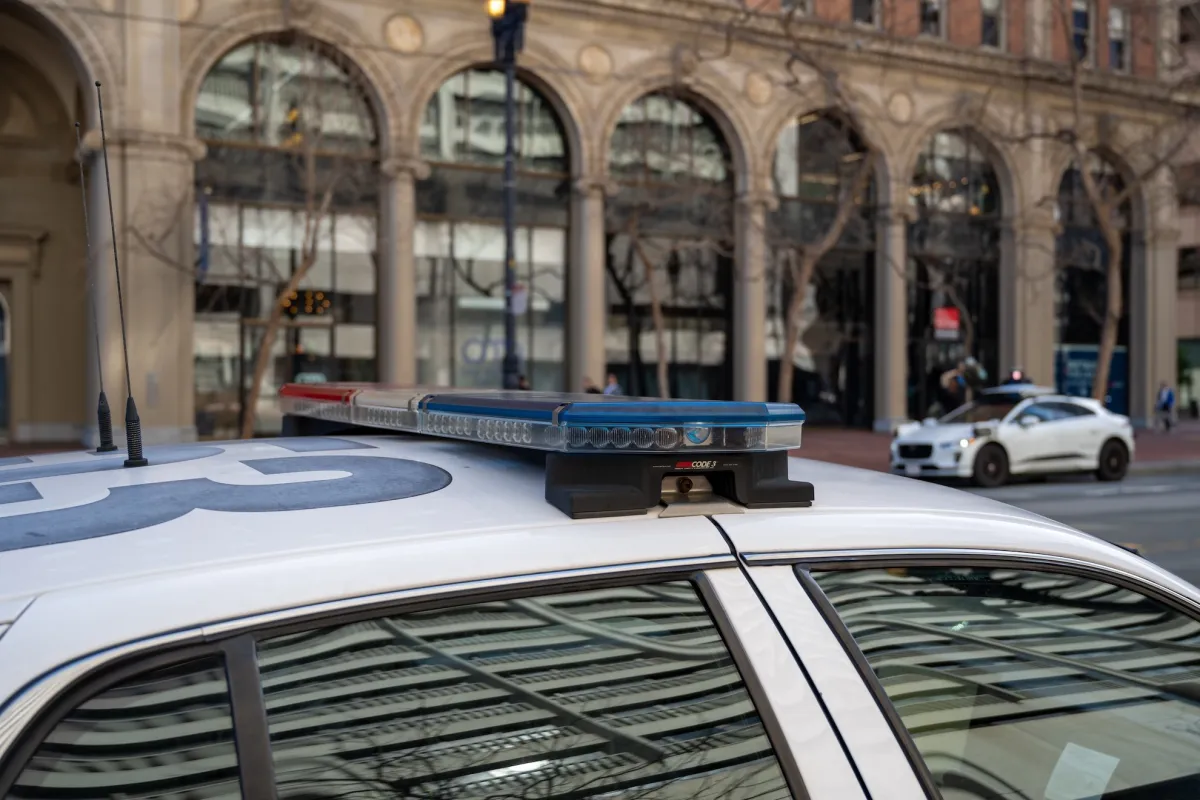
Senior reporter Sean O’Kane investigated Waymo’s support system, which includes its dedicated roadside assistance team. He found that, in several instances, first responders had to intervene and manually relocate Waymo vehicles—sometimes even during emergencies, such as a police officer redirecting to move a Waymo robotaxi obstructing a response to a mass shooting in Austin earlier this month.
Public Services at the Helm During Emergencies
At its core, the investigation revealed that Waymo’s operations depend heavily on taxpayer-funded public services to manage its vehicle logistics during crisis moments. Reactions to this reliance vary widely; some view it as an unacceptable burden on emergency services, while others perceive it as a minor concern. San Francisco District 4 Supervisor Alan Wong voiced that many local officials believe that “our first responders should not be AAA.”
Broader Implications for the Robotaxi Industry
This issue transcends Waymo alone. Multiple companies, including Motional and Zoox, are gearing up to launch paid robotaxi services in the U.S. this year. Tesla also has ambitious plans with its own service in Austin, although various operators may adopt differing models, each with unique levels of reliance on emergency personnel.
Funding Trends in the Autonomous Delivery Space
Meanwhile, Zipline, an established autonomous drone delivery startup, recently raised an additional $200 million, bringing its latest funding round to a notable $800 million. The influx of capital, which included participation from crypto-focused Paradigm, reinforces the company’s growing success in home delivery and global outreach. Accelerating volume growth has attracted renewed investor interest, with expectations for sustained momentum over the coming months.
Exciting Developments Across the Mobility Sector
Other noteworthy funding advancements this week include NoTraffic’s successful $90 million Series C round, Rivian receiving another $1 billion from Volkswagen Group, and Shield AI raising $1.5 billion at a $12.7 billion valuation. Additionally, Swish, a Bengaluru-based food delivery startup, secured $38 million in a Series B round, indicating a vibrant investment landscape in mobility and tech.
Emerging Trends and Legislative Changes
In legislative news, Utah has enacted a bill to establish a liability framework for autonomous vehicles. Meanwhile, Zoox has successfully integrated its purpose-built robotaxis into public roads in Austin and Miami, poised to begin its early-rider program once federal exemptions are secured.
Community Engagement: Opinion Poll Results
In a recent poll about Rivian’s ambitious plans to build thousands of R2 robotaxis, responses were split, with 55% of voters viewing the initiative as a distraction and 45% considering it crucial for the company’s long-term success. These insights highlight the ongoing debate surrounding the role of innovative technologies in shaping the future of mobility.