

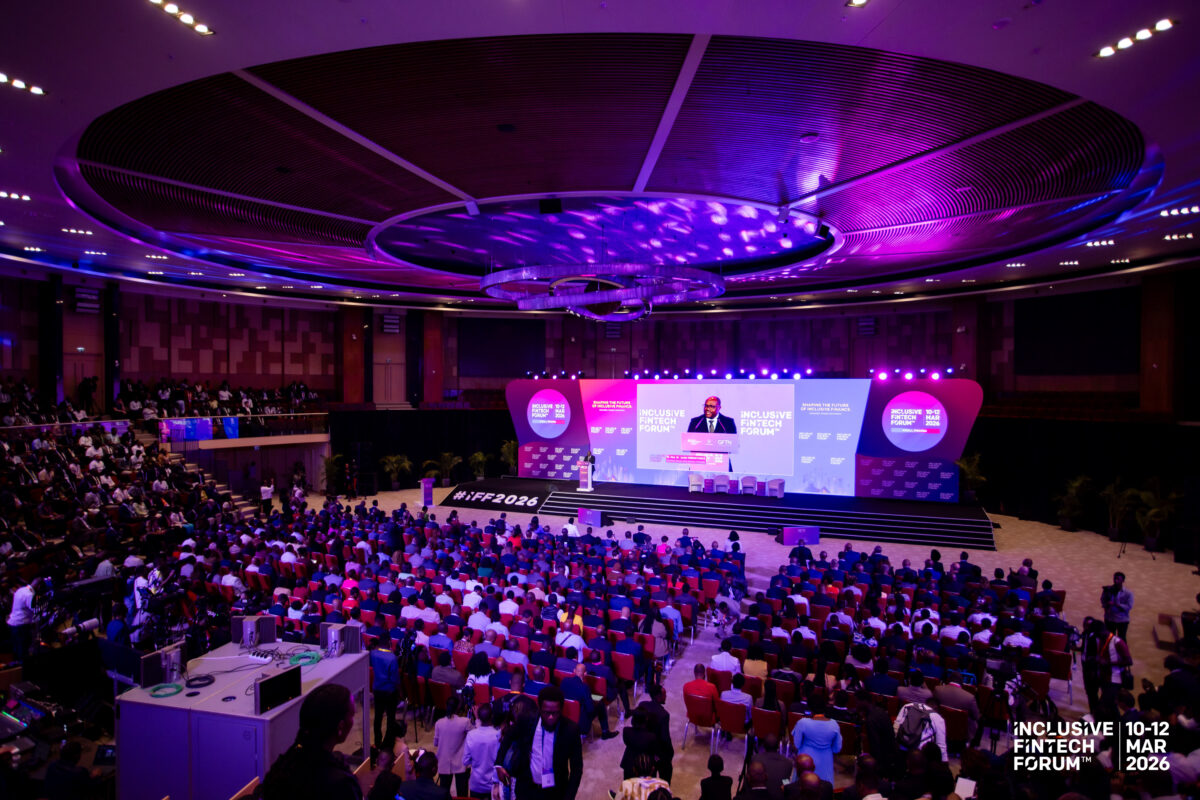
The Inclusive FinTech Forum Brings Together Global Leaders in Kigali
The Kigali Convention Centre is currently hosting the third edition of the Inclusive FinTech Forum (IFF), a landmark event that unites over 3,500 decision-makers from 84 countries. The forum features more than 260 speakers, with an impressive 36% representation of women. The diverse attendee list includes officials from 30 central banks, 413 fintech companies, and 97 investment firms. Jointly organized by the Kigali International Financial Centre (KIFC), the National Bank of Rwanda (BNR), and the Global Finance & Technology Network (GFTN), the forum serves as an important platform for collaboration among regulators, institutions, and innovators.
Africa’s Economic Evolution Addressed by Rwandan Leadership
Rwandan Prime Minister Justin Nsengiyumva opened the forum by highlighting that Africa is at a critical juncture in the global economic transition. He emphasized the continent’s unique opportunity to become a hub for business and innovation. According to the Prime Minister, Africa’s economic transformation rests on the establishment of robust and inclusive financial systems capable of channeling capital toward vital priorities such as energy development, digital infrastructure, manufacturing, and human capital.
This year’s forum, themed “Shaping the Future of Inclusive Finance: Innovation. Impact. Connection,” focuses on four pivotal areas essential for developing future financial systems. These include the establishment of digital currency corridors, promoting AI-powered financial inclusion, enhancing open finance ecosystems, and mobilizing climate fintech solutions for sustainable development.
Emphasizing Regulatory Alignment for Market Growth
Hortense Mudenge, CEO of the KIFC, spoke about the transformative impact of digital platforms and mobile payments on savings, investment, transactions, and business development across Africa. She stressed that supporting this growth necessitates modern regulatory frameworks, as evidenced by Kigali’s current position as the third-best financial center in Africa and 67th globally according to the 2025 Global Financial Centres Index. This ranking underscores Rwanda’s commitment to a progressive regulatory environment that fosters fintech innovation.
Furthermore, Soraya Munyana Hakuziyaremye, governor of the BNR, emphasized the importance of collaborative efforts in unlocking the full potential of digital finance. She warned that to effectively harness virtual assets and enhance cross-border infrastructures, stronger regulatory alignment across African markets is imperative.
Strategic Partnerships Paving the Way for Digital Lending
A major highlight of the forum’s opening day was the announcement of two strategic partnerships by MoMo Rwanda Limited aimed at expanding digital lending and accelerating financial inclusion. The first partnership with Ecobank seeks to leverage MoMo’s extensive mobile distribution network alongside the bank’s lending experience. This collaboration will provide instant, mobile-first micro and SME loans directly through the MoMo platform, thereby eliminating traditional collateral barriers and enabling quicker access to credit for underserved communities.
Additionally, MoMo’s ongoing collaboration with the Bank of Kigali is set to bolster domestic credit infrastructure by creating a fully digital lending process, from initial application to disbursement and repayment, all on mobile platforms.
Demonstrating Real Outcomes for Emerging Markets
Now in its third iteration, the IFF has a proven track record of delivering tangible outcomes that reshape Africa’s digital finance landscape. Previous editions of the forum catalyzed initiatives like fintech license passporting between Rwanda and Ghana, enabling seamless operations for companies across both markets. The forum has also played a pivotal role in attracting investment for innovation, exemplified by the launch of the LuxAid Fintech Fund, backed by the Luxembourg Development Agency.
Discussions are ongoing to bring in additional strategic partners, including the Mastercard Foundation, which would further enhance investment opportunities for African innovators. According to Sopnendu Mohanty, CEO of the GFTN, by effectively connecting regulators, innovators, and investors, the forum is creating a collaborative ecosystem that drives sustainable economic growth across the continent.