

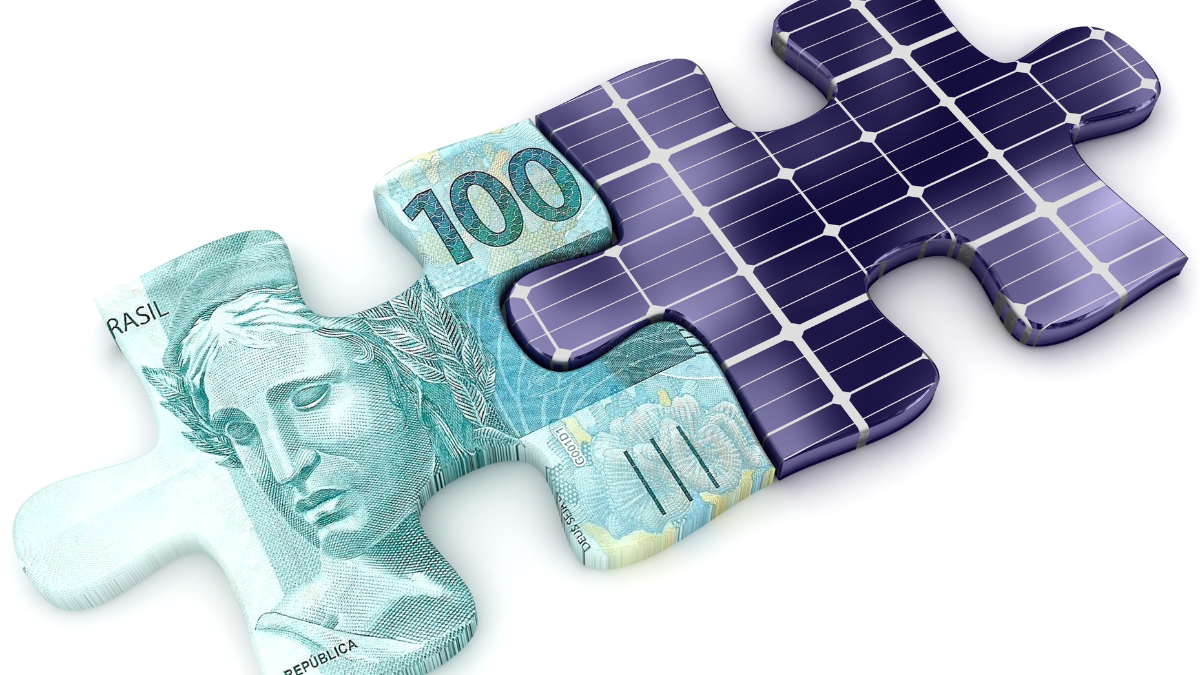

The Shift from Fintech to Solar Investment in Africa
The investment landscape in Africa is evolving, with renewable energy—especially solar power—now commanding more venture capital and private funding than fintech. This marks a significant shift, as fintech had long been the primary investment focus for startups across the continent.
Fintech’s Decline and its Impact on Investment
For years, fintech has been at the forefront of Africa’s startup scene, providing crucial digital banking, payment solutions, and loan services to the unbanked population. However, as high global interest rates and fluctuating market conditions emerge, investors are becoming more cautious, reassessing risk profiles and valuations. Many are now seeking ventures with solid business fundamentals and stable returns rather than chasing fast-paced technology models.
Solar Energy: The New Investment Magnet
The shift to solar energy provides a compelling alternative. As investors lean towards “climate technologies,” solar providers represent the largest segment within this category. Unlike fintech startups, which often take longer to yield profitability, solar companies offer a tangible product—electricity—making them a more dependable investment choice.
Addressing Africa’s Energy Crisis
A significant driver behind the surge in solar investments is the ongoing energy crisis in Africa. A considerable portion of sub-Saharan Africa faces frequent electricity disruptions, impacting daily life, economic activities, and essential services like education and healthcare. Solar power stands out as one of the fastest methods to enhance access to energy, especially in regions where national grids cannot be rapidly established.
Innovative Payment Models Contributing to Growth
Innovative payment models, such as pay-as-you-go solar solutions, are catalyzing this momentum. These systems enable households and small enterprises to purchase solar energy through manageable mobile payments, linking energy access to digital finance. This model not only alleviates the initial financial burden for consumers but also assures steady demand, which appeals to investors.
Commercial Solar Projects on the Rise
Simultaneously, the growth of commercial and industrial solar projects is noteworthy. Many businesses are shifting away from costly and unreliable diesel generators in favor of solar installations, which provide a cleaner, cost-effective energy solution. Investors are keenly interested in these long-term projects due to their predictable returns, supported by the declining global cost of solar panels and related technology.
Future Prospects and Remaining Challenges
Investment in solar energy is still concentrated in key markets like Nigeria, Kenya, South Africa, and Egypt, although interest is beginning to spread to other nations. Development finance institutions and private equity firms are collaborating to secure the necessary capital for these energy projects, which often require funding beyond traditional fintech levels. However, challenges such as high initial costs, foreign exchange risks, and supply chain issues remain present. Nevertheless, as Africa strives for economic development and improved infrastructure, solar energy is poised to become the focal point of startup investments, heralding a promising transition from digital conveniences to essential energy solutions.