

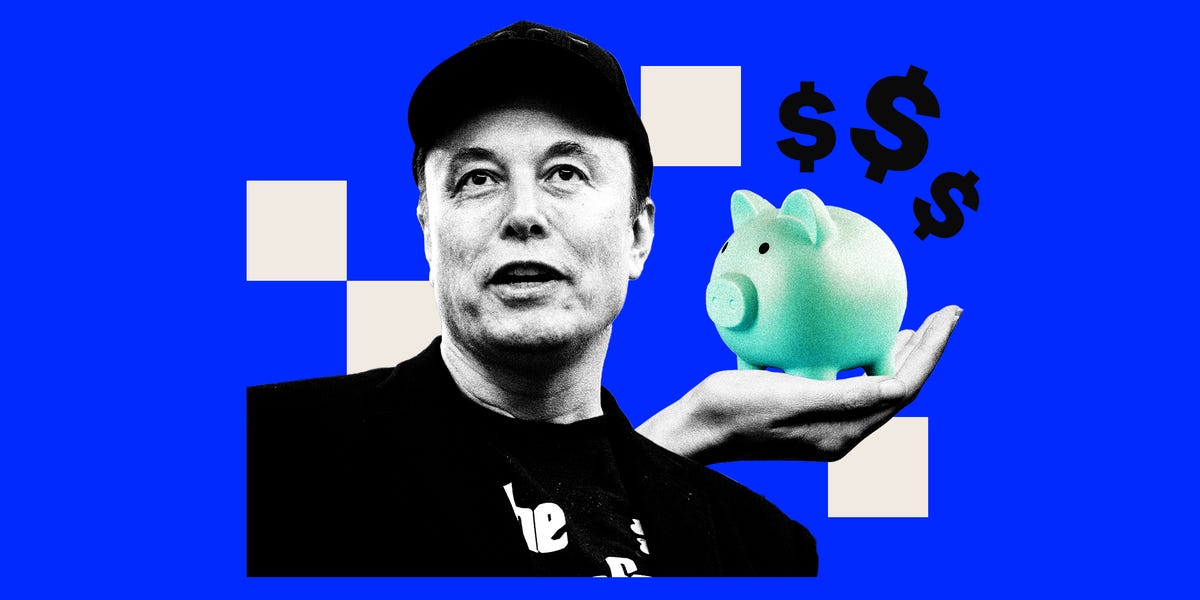
Elon Musk’s Controversial Take on Retirement Savings
“Savings? Where we’re going, we don’t need savings.” This line, reminiscent of Doc Brown’s iconic words from “Back to the Future,” encapsulates Elon Musk’s bold assertion that future retirees may not require traditional nest eggs. During a recent episode of the “Moonshots with Peter Diamandis” podcast, the Tesla and SpaceX CEO emphasized that individuals shouldn’t worry about saving for retirement in the coming decades, claiming, “It won’t matter.”
The Promise of Abundance
Musk, recognized as the richest man in the world, argues that advancements in AI, energy, and robotics will create an “abundance” of resources, rendering personal retirement savings irrelevant. This visionary perspective contrasts sharply with the current economic landscape, where inflation, high-interest rates, and stagnant wage growth have contributed to a significant affordability crisis. Notably, household debt has soared to a staggering $18.59 trillion, a more than 50% increase since 2015.
Experts Sound the Alarm
In response to Musk’s assertions, Business Insider consulted various personal finance and AI experts, who unanimously advised against dismissing the importance of retirement savings. Geoffrey Sanzenbacher, a researcher at the Center for Retirement Research at Boston College, labeled Musk’s comments “dangerous and misleading,” urging Americans to pay attention to their financial future.
The Case for Saving
Sanzenbacher highlighted that Social Security is likely to face cuts in the coming years due to funding shortages, making individual savings more crucial than ever. He argued, “People need to save more, not less.” Even if Musk’s optimistic vision materializes, he believes those who save now will have a favorable advantage in an uncertain future.
Focus on Reality
Alicia Munnell, a senior advisor at the Center for Retirement Research, echoed Sanzenbacher’s sentiments, emphasizing that Musk lacks insight into the realities many Americans face regarding Social Security and retirement. “He needs to focus on his expertise and leave public policy to qualified professionals,” she stated. This perspective emphasizes the necessity for financial diligence and planning, regardless of future technological advancements.
The Uneven Distribution of Wealth
Not everyone agrees with Musk’s vision of a post-retirement savings world. Olivia Mitchell, director of Wharton’s Boettner Center, acknowledged that while AI could improve productivity and potentially reduce costs, relying solely on these advancements for retirement security is risky. “Even in a wealthier economy, gains will likely be uneven, so saving remains essential,” she cautioned.
Future Considerations and Cautions
Experts also emphasized the importance of a well-structured approach to financial planning, urging individuals to be proactive about securing their futures. Kristin Pugh, a private wealth manager, noted that while AI might change financial dynamics, historical trends indicate that technological gains often do not translate to reduced working hours or equitable wealth distribution.
As John Nosta, an innovation theorist, succinctly put it, Musk’s claim hinges on a fragile set of assumptions, suggesting that without proper political and social frameworks, expecting a utopian future may be unrealistic. Relying on technology alone, as many have learned from past experiences, can lead to unforeseen challenges.
Conclusion: Secure Your Financial Future
In reflecting on Musk’s audacious forecasts, it is essential for individuals to consider the unpredictable nature of technology and economics. The consensus among experts is clear: prudent saving and financial planning remain vital components of securing a comfortable retirement, regardless of advancements in AI and automation. As history has shown, the path to financial security is paved by individual responsibility and informed decision-making.