

Saudi Arabia Fintech Market Projected to Reach USD 4.8 Billion by 2034
Market Overview
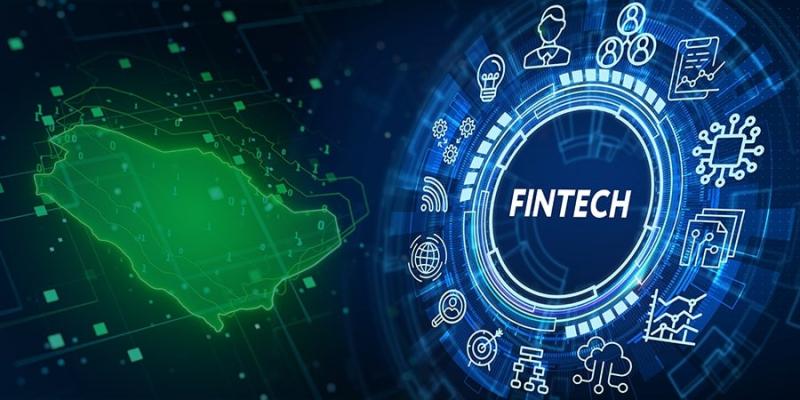
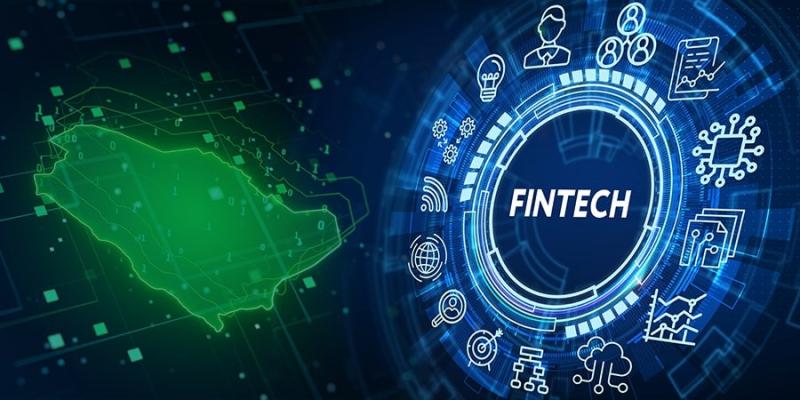
The Saudi Arabian fintech market is on a lucrative growth trajectory, with an estimated market size of USD 2.1 billion in 2025. Projections indicate that this market will reach a remarkable USD 4.8 billion by 2034, achieving a compound annual growth rate (CAGR) of 9.76% from 2026 to 2034, as reported by IMARC Group’s latest research.
AI and Digital Transformation in Fintech
Artificial Intelligence (AI) is revolutionizing Saudi Arabia’s fintech landscape. It automates credit decisions and enhances fraud detection, allowing banks to provide faster, more secure services. A notable 70% of Saudi banks report an increase in customer satisfaction due to AI-driven personalized services.
Furthermore, the transition from basic chatbots to advanced “Agentic AI” is enabling autonomous systems to manage entire financial processes. This innovation is supported by regulatory frameworks, where over 50 fintechs have tested AI solutions within the Saudi Central Bank’s regulatory sandbox, fostering a culture of safe exploration and development.
Government Support and Funding
The Saudi government plays a pivotal role in promoting fintech as a national priority rather than merely a market trend. With objectives like achieving a 70% rate of non-cash retail transactions — a target that has already been surpassed with 79% — the government’s commitment is evident through substantial funding and practical initiatives.
Programs such as “FinTech Saudi” and the dedicated regulatory sandbox have provided over 70 fintech companies with the opportunity to test their innovations safely, with more than 25 companies successfully graduating to full licensing. As a result, the number of active fintech firms surged from just above 80 in 2022 to over 280, attracting cumulative funding of approximately USD 2.4 billion.
Technology Adoption and User Readiness
Saudi Arabia’s population is exceptionally tech-savvy, with 71% under the age of 35 and an impressive smartphone penetration rate of 97%. This digital readiness creates a fertile ground for fintech solutions, with about 90% of consumers recently engaging with digital payment methods like wallets and money transfer apps.
The national payment network, Mada, is integrating with global platforms such as Google Pay, further enhancing the user experience. This combination of a digitally native populace and robust infrastructure enables rapid adoption of new fintech products.
Emerging Trends in the Fintech Ecosystem
The focus in Saudi fintech is shifting towards developing integrated financial ecosystems. Open Banking is expanding beyond data sharing to include payment initiation services, allowing fintechs to offer seamless financial experiences integrated into diverse applications.
Notable local champions, such as Tamara — the region’s first fintech unicorn — have recently secured USD 2.4 billion in funding to evolve into a comprehensive financial super-app, showcasing a commitment to serving previously underserved segments like SMBs and gig workers through innovative credit solutions.
Competitive Landscape and Future Prospects
The competitive landscape of the Saudi fintech market is rapidly evolving. As of October 2025, the ecosystem hosts 280 fintech companies, with digital payments exceeding initial targets. Regulatory bodies like the Capital Market Authority (CMA) are accelerating innovations by granting experimental permits to promote crowdfunding and payment solutions.
Saudi Arabia’s fintech market is poised for continued growth, driven by technological advancements, robust regulatory support, and an eager consumer base. With significant investments in AI and digital finance, the kingdom is shaping a dynamic and inclusive financial future.
Contact and Additional Information
For tailored reports and more information on the Saudi fintech market, you can contact the IMARC Group:
IMARC Group
134 N 4th St.
Brooklyn, NY 11249, United States
Email: sales@imarcgroup.com
Telephone: +1-201-971-6302
This article is published on openPR.